Top 2 Best Drone Flying Spots in Virginia, USA
Best Drone Flying Spots in Virginia, USA Virginia offers a diverse range of landscapes, from the scenic Blue Ridge Mountains to the sprawling coastline of the…
Top Places:
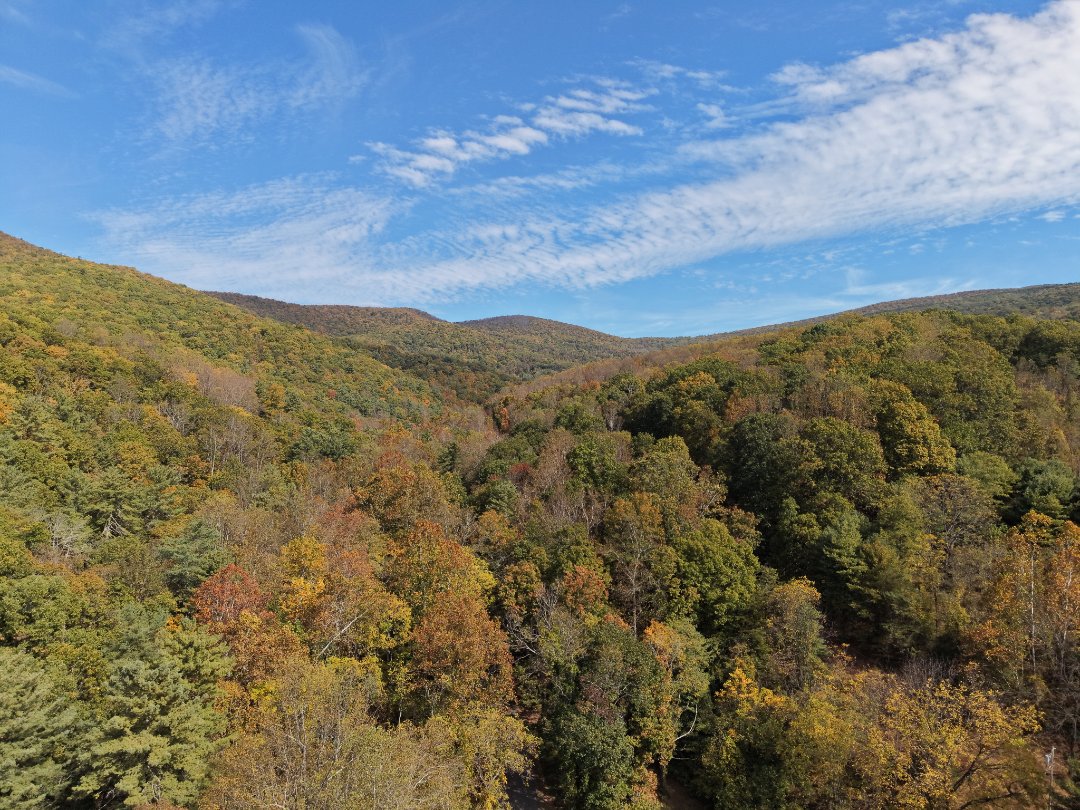
Best Drone Flying Spots in Virginia, USA
Virginia offers a diverse range of landscapes, from the scenic Blue Ridge Mountains to the sprawling coastline of the Atlantic Ocean. This variety makes it an ideal state for drone pilots seeking breathtaking views and unique flying experiences. Whether you’re a beginner or an experienced pilot, there are numerous spots across Virginia where you can legally and safely fly your drone. This page provides an overview of some of the top locations, along with important regulations to keep in mind while flying.
Popular Locations for Drone Flying in Virginia
Each region in Virginia has its own charm, and the following locations are particularly well-suited for drone flying:
- Shenandoah National Park: Known for its stunning vistas and expansive trails, Shenandoah is a favorite among outdoor enthusiasts. However, drone flying is restricted in national parks, so be sure to check specific regulations before your visit.
- Virginia Beach: This popular coastal destination offers wide-open spaces and beautiful ocean views. The beach is an excellent spot for capturing aerial shots of the shoreline. Remember that flying over crowds is prohibited, so plan your flights during less busy times.
- Lake Anna: With its clear waters and scenic surroundings, Lake Anna provides a picturesque setting for drone photography. There are several parks and public access points around the lake where you can launch your drone legally.
- Richmond’s Belle Isle: This urban park located in the James River is perfect for drone enthusiasts looking to capture cityscapes and nature. The park offers plenty of open areas for takeoff and landing, but be mindful of other visitors and wildlife.
- Great Falls Park: Located just outside Washington, D.C., this area features stunning waterfalls and rugged terrain. While the park has restrictions on drone flying, nearby areas may offer opportunities for aerial photography of the falls.
Rules and Regulations for Flying Drones in Virginia
Before flying your drone in Virginia, it’s essential to understand the regulations that govern drone operation. Here are some key points to keep in mind:
- Federal Regulations: All drone pilots must comply with the FAA’s Part 107 regulations, which include registering your drone if it weighs more than 0.55 pounds and following guidelines for safe flight.
- Local Laws: Be aware that some counties and cities in Virginia have their own regulations regarding drone use. Always check with local authorities to ensure you’re flying legally.
- Prohibited Areas: Avoid flying near airports, military bases, and other restricted zones. The FAA provides a tool called the B4UFLY app, which can help you identify no-fly zones.
- Respect Privacy: When flying in residential areas or near people, be mindful of privacy concerns. Avoid capturing images or videos of individuals without their consent.
- Wildlife Protection: Many parks and natural areas have rules in place to protect wildlife. Always check regulations to avoid disturbing animals or their habitats.
Tips for a Successful Flight
Here are some helpful tips to ensure your drone flying experience in Virginia is enjoyable and safe:
- Plan Ahead: Research your chosen location and familiarize yourself with the rules before you go. Check the weather conditions as well.
- Bring Necessary Gear: Carry extra batteries, propellers, and any other gear you might need for your drone. A portable charger can be particularly useful.
- Fly Responsibly: Always keep your drone within your line of sight and avoid flying at night unless you have the appropriate equipment and permissions.
- Check for Updates: Regulations can change, and new restrictions may be implemented. Stay informed by checking both local and federal resources.
Conclusion
Virginia is a fantastic place for drone flying, offering a variety of stunning landscapes and vibrant urban environments. By understanding the local regulations and respecting the rules, you can enjoy a fulfilling experience while capturing beautiful aerial footage. Always remember to fly responsibly and prioritize safety.
FAQ
Can I fly my drone in state parks in Virginia?
Drone flying is often restricted in state parks. Always check the specific regulations for the park you plan to visit.
Do I need to register my drone in Virginia?
If your drone weighs more than 0.55 pounds, you must register it with the FAA before flying.
Are there any designated drone flying areas in Virginia?
Some parks and recreational areas may have designated zones for drone flying. Check local resources for more information.
What should I do if I encounter wildlife while flying?
Avoid flying close to wildlife or disturbing their habitats. Always adhere to local wildlife protection regulations.