Top 12 Best Drone Flying Spots in Canada
Best Drone Flying Spots in Canada Canada is known for its vast landscapes, stunning natural beauty, and diverse environments. Whether you want to capture the…
Top Places:
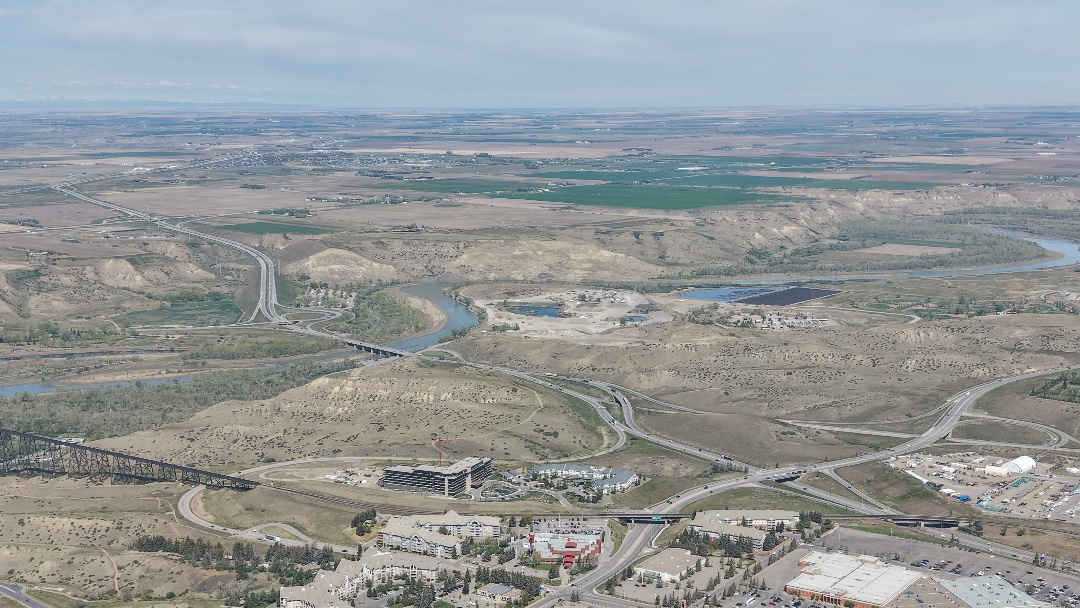
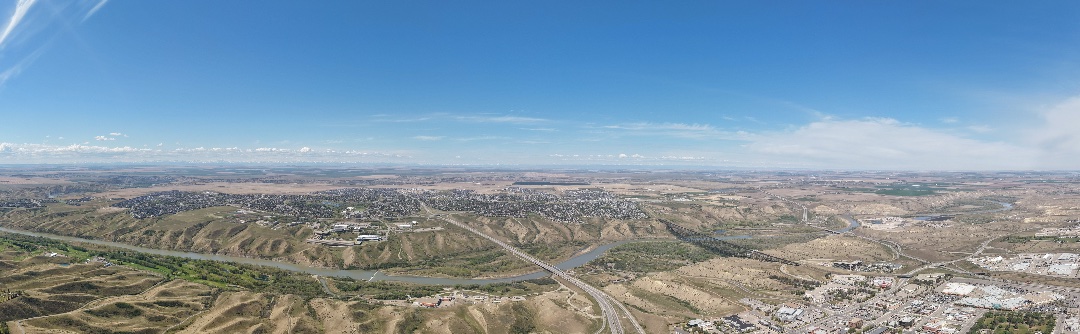
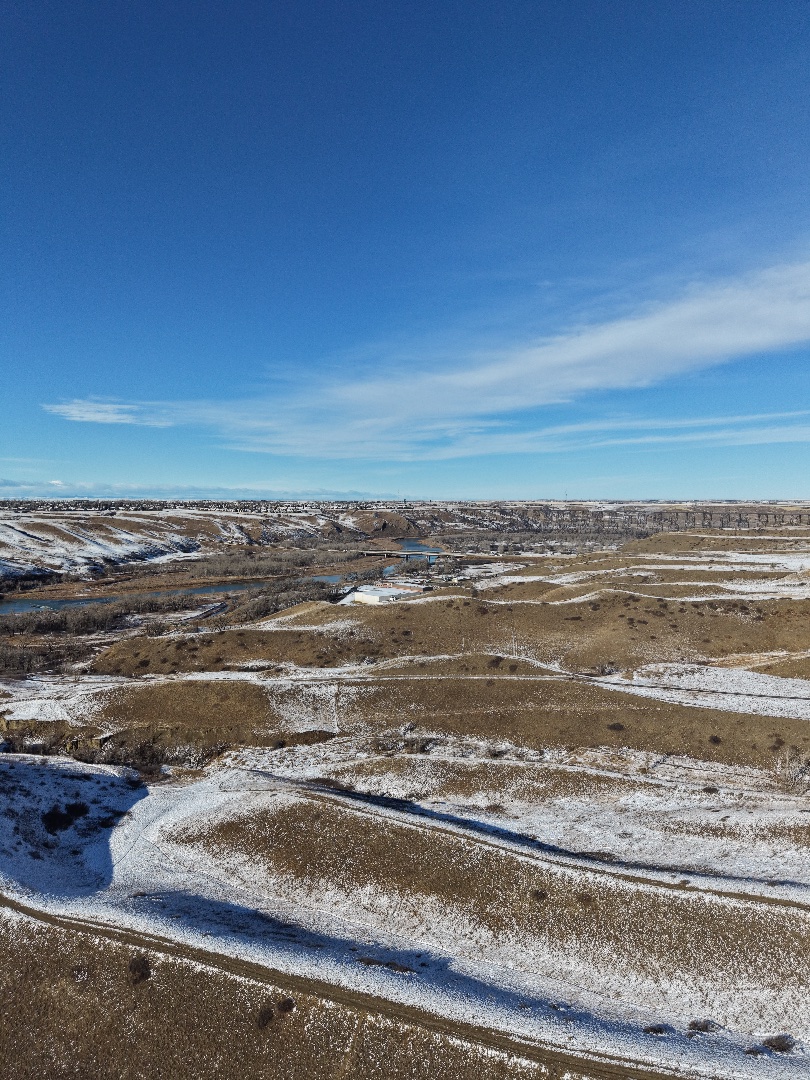
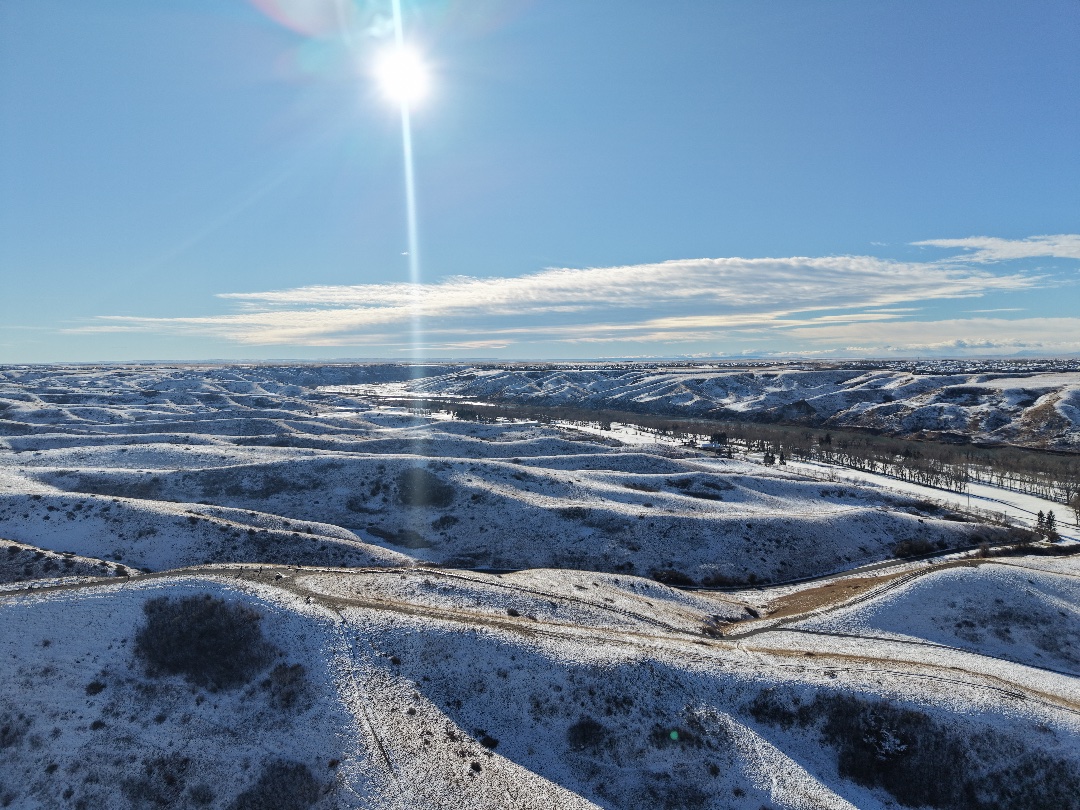
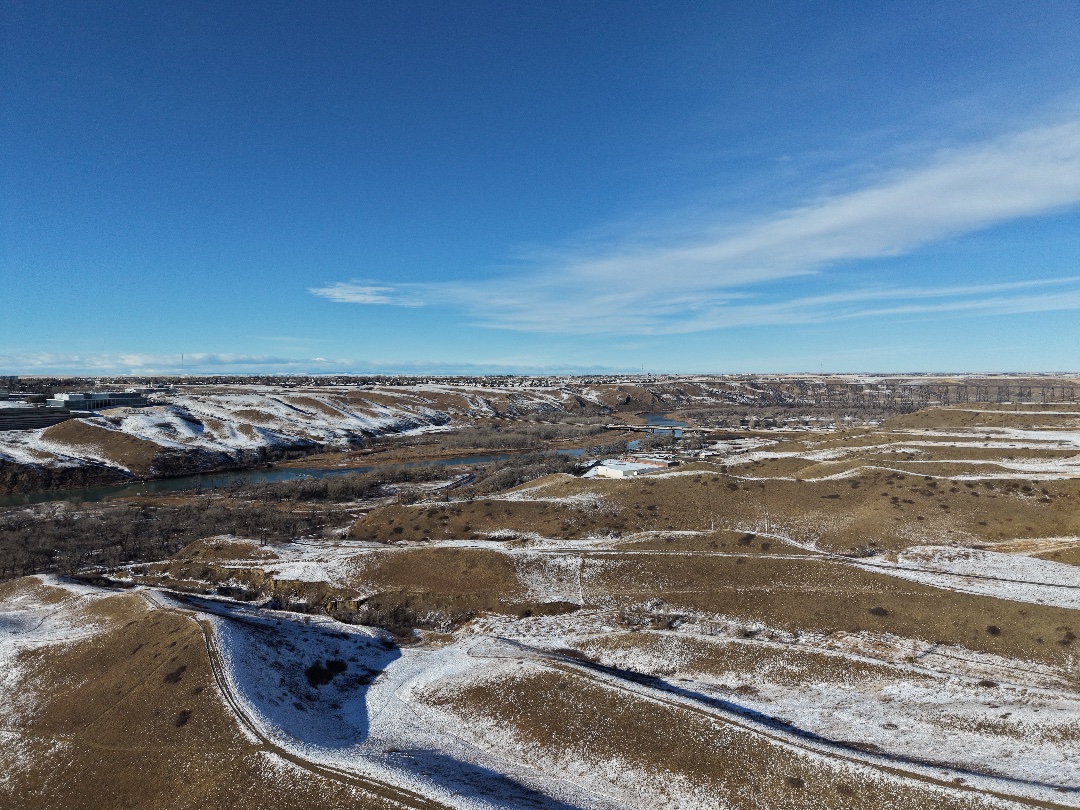
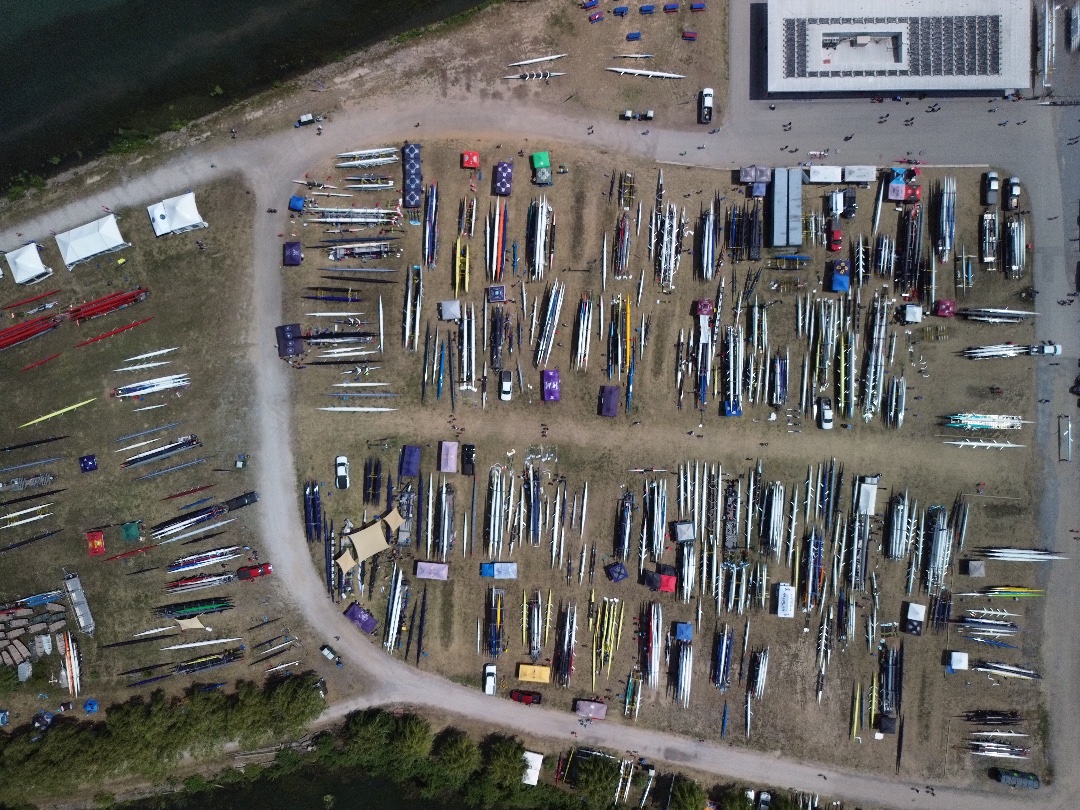
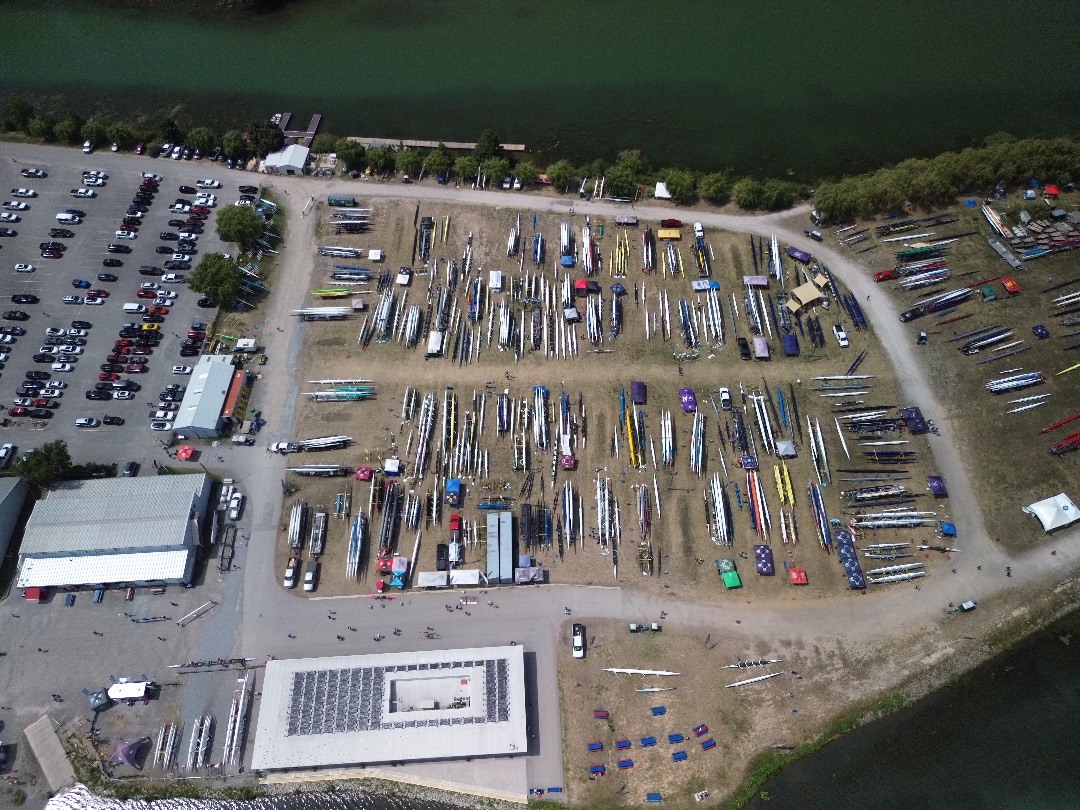
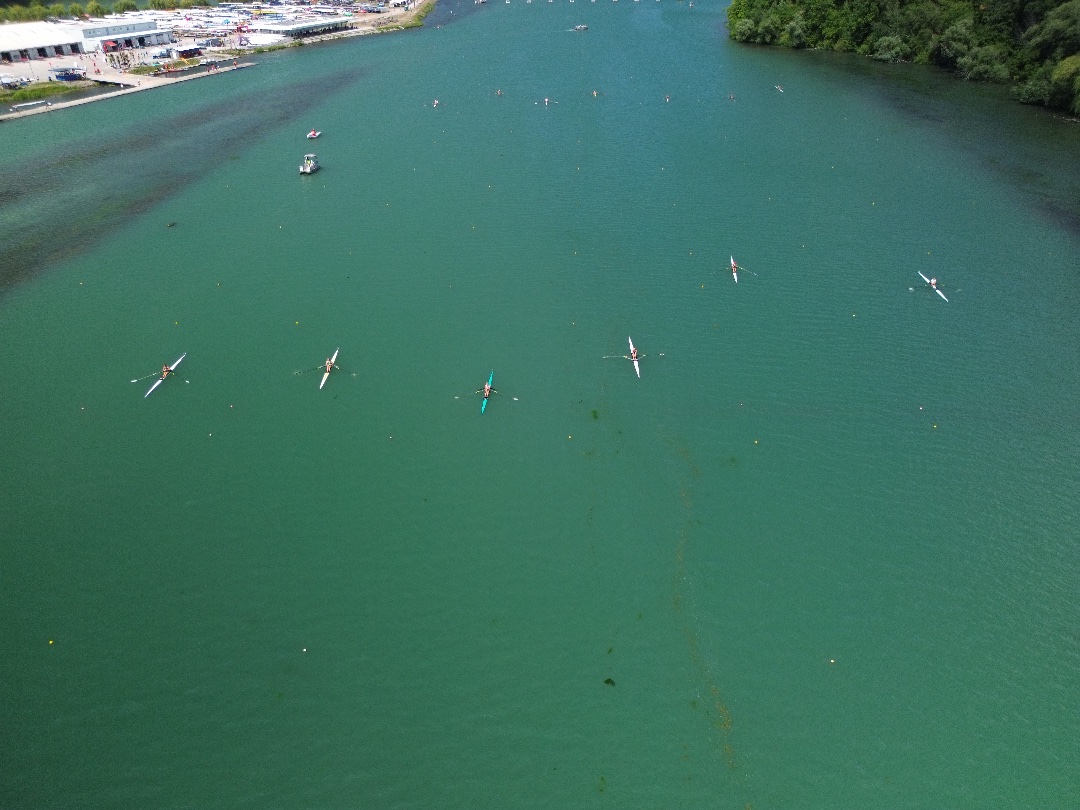
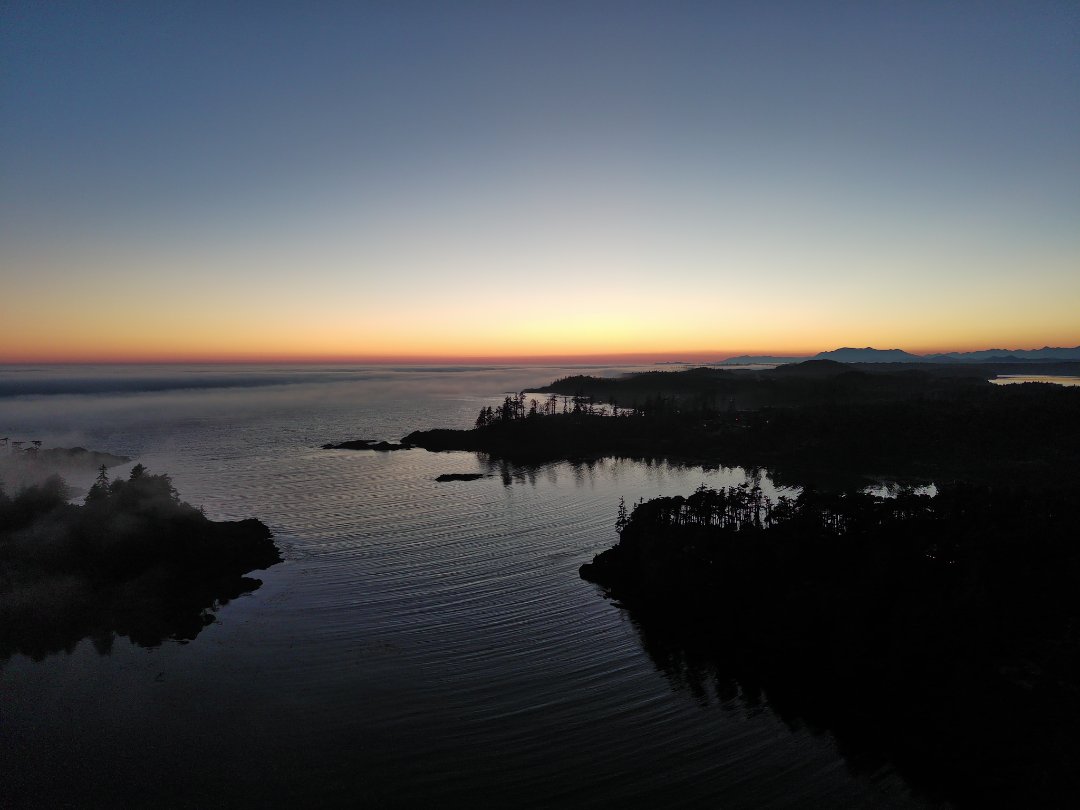
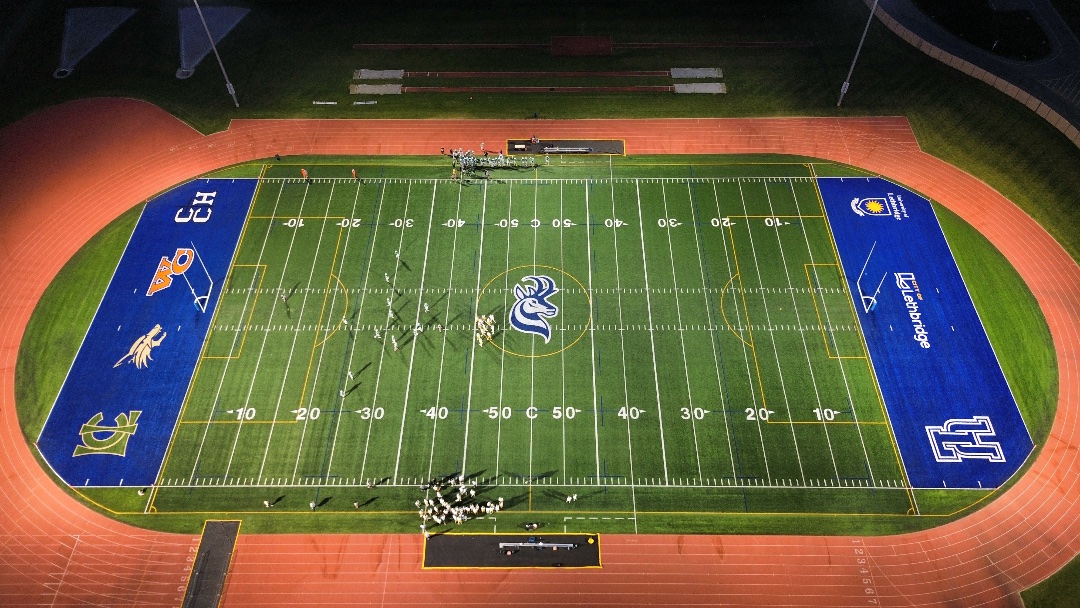
Best Drone Flying Spots in Canada
Canada is known for its vast landscapes, stunning natural beauty, and diverse environments. Whether you want to capture the rugged mountains, pristine lakes, or bustling cityscapes, Canada offers numerous spots for drone enthusiasts. This page provides information on the best places to fly your drone across Canada, including any specific regulations and local rules you need to follow.
Popular Drone Flying Locations in Canada
From coast to coast, Canada is home to various landscapes that are perfect for drone flying. Here are some of the most popular spots:
- Banff National Park, Alberta
Banff National Park is a breathtaking location with its stunning mountain scenery, turquoise lakes, and abundant wildlife. Flying drones here can offer spectacular aerial views of the iconic Lake Louise and the surrounding peaks. However, note that drone flying is restricted in certain areas of the park. Always check local regulations before flying.
- Vancouver, British Columbia
Vancouver’s combination of urban and natural landscapes makes it a fantastic spot for drone flying. You can capture the city skyline against the backdrop of the Pacific Ocean and the North Shore mountains. Be aware of local bylaws that restrict drone use in city parks and near airports.
- Toronto Islands, Ontario
The Toronto Islands offer a unique perspective of the city. With expansive green spaces and waterfront views, it’s an excellent location for drone photography. However, keep in mind that the islands have specific regulations regarding drone use, and you should fly away from crowded areas.
- Jasper National Park, Alberta
Known for its dark skies and incredible natural beauty, Jasper National Park is a great spot for capturing breathtaking landscapes. The park has designated areas for drone flying, so be sure to check with local park authorities for restrictions and guidelines.
- Quebec City, Quebec
With its historic architecture and scenic views, Quebec City is an appealing location for drone enthusiasts. Capture the charm of Old Quebec from above. Make sure to stay updated on local regulations, as drone usage may be restricted in certain areas.
- Niagara Falls, Ontario
Flying your drone over the majestic Niagara Falls can provide stunning footage and photos. However, the area has strict regulations due to its popularity and safety concerns. Check with local authorities for any permits required for drone flights.
- Whistler, British Columbia
Whistler is famous for its ski slopes, but it also offers fantastic opportunities for drone flying in the summer months. Capture the stunning alpine scenery and lush forests. Be sure to follow local guidelines, especially in busy areas.
- Capilano Suspension Bridge, British Columbia
This iconic bridge offers a unique vantage point for aerial photography. While the bridge itself has strict regulations against drone flying, the surrounding areas provide ample opportunities for capturing stunning views. Always check for any local restrictions.
- Montreal, Quebec
Montreal has a vibrant cityscape that can be captured beautifully from above. Fly your drone in designated areas to avoid any conflicts with local laws and ensure a safe flying experience.
- Prince Edward Island
The picturesque landscapes of Prince Edward Island make it a fantastic place for drone flying. Capture the rolling landscapes, red sand beaches, and lighthouses. Be mindful of local regulations, especially near populated areas and private properties.
Drone Regulations in Canada
Before you fly your drone in Canada, it’s essential to be aware of the regulations set by Transport Canada. All drone pilots must adhere to the following guidelines:
- Registration: Drones weighing more than 250 grams must be registered with Transport Canada.
- Pilot Certification: You need a Basic or Advanced Pilot Certificate depending on the weight of your drone and where you fly.
- Flight Restrictions: Avoid flying in controlled airspace, near airports, and over crowds. Always check for Notam's (Notices to Airmen) before flying.
- Privacy Concerns: Respect the privacy of individuals and avoid capturing images or videos of people without their consent.
Best Practices for Drone Flying
To ensure a safe and enjoyable flying experience, follow these best practices:
- Pre-flight Checks: Always perform a pre-flight inspection of your drone, including battery levels, propeller condition, and camera settings.
- Weather Conditions: Check the weather before flying. Avoid flying in high winds, rain, or low visibility conditions.
- Stay Aware: Maintain situational awareness while flying. Keep an eye on your surroundings and other air traffic.
- Respect Nature: When flying in natural parks or wildlife areas, follow guidelines to minimize disturbance to wildlife.
FAQ
Do I need a license to fly my drone in Canada?
Yes, if your drone weighs more than 250 grams, you must obtain a pilot certificate and register your drone with Transport Canada.
Can I fly my drone in national parks?
Drone flying is allowed in certain areas of national parks, but regulations vary by park. Always check the specific rules and obtain any necessary permits.
What are the restrictions for flying near airports?
You should not fly your drone within 5.6 kilometers (3.5 miles) of an airport without proper authorization. Always check for controlled airspace before flying.
Can I capture images of people with my drone?
While you can capture images in public spaces, it’s essential to respect people's privacy. Avoid filming individuals without their consent.
What is the maximum altitude I can fly my drone?
The maximum altitude for recreational drone flying in Canada is 122 meters (400 feet) above ground level, unless otherwise specified in local regulations.